
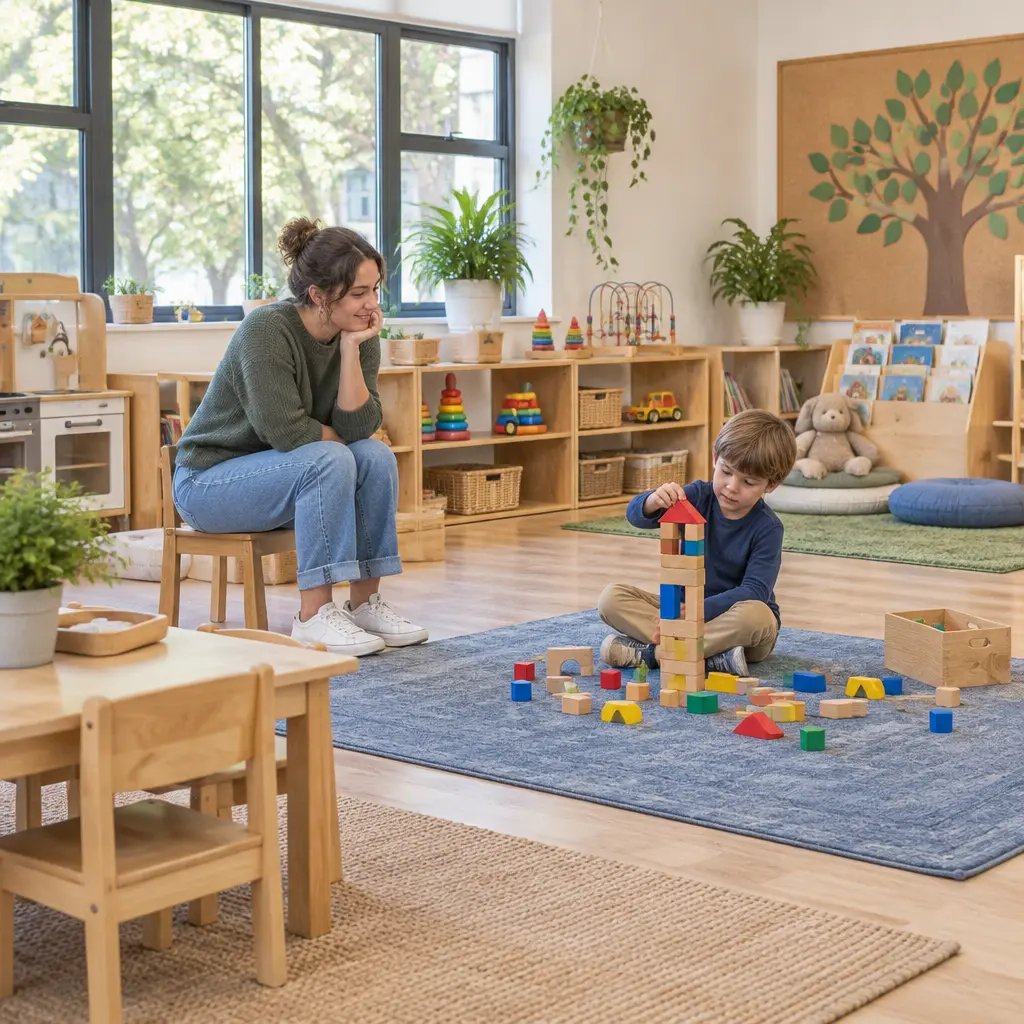
A child development program is a structured service that supports children’s learning, health, relationships, and development through age-appropriate care and activities. It can include early learning centers, preschool, home-based visiting, and programs that partner with families or provide specialized support. These programs are for children from infancy through the early school years—and for the parents and caregivers who help them thrive. Their reach matters: the U.S. Centers for Disease Control and Prevention (CDC) estimates that about one in six children ages 3–17 has a developmental disability, while research summarized by the National Institute for Early Education Research (NIEER) links high-quality early education with benefits for children and society. Understanding what programs offer, who they serve, and how to choose one helps families find support that fits.
What a Child Development Program Provides
“Child development program” is a broad term rather than one single, universally defined service. The U.S. Office of Head Start describes Head Start as a program that promotes school readiness for children from low-income families through learning, health, nutrition, and family well-being services. More generally, a child development program uses intentional activities and supportive relationships to nurture children’s physical, cognitive, communication, social, and emotional growth.
Programs differ in setting, age range, schedule, and eligibility. Some offer full-day care while parents work; others provide part-day preschool, developmental screening, home visits, or services for children with disabilities. A common thread is that development is understood as interconnected: play and conversation build language, movement supports physical skills, and dependable relationships help children feel safe enough to explore.
Early care and education
Early care and education programs combine supervision with planned learning experiences. Child-care centers, family child-care homes, and preschool classrooms may use stories, music, pretend play, outdoor exploration, and routines to support development. Quality depends not only on activities but also on warm interactions, safe environments, appropriately prepared staff, and manageable group sizes. Licensing and quality standards vary by state and program type.
Family support and home visiting
Home-visiting and family-support programs work with parents or caregivers in the child’s everyday environment. Trained visitors may share guidance on responsive caregiving, child safety, health, and age-appropriate play, while connecting families with community resources. The U.S. Department of Health and Human Services’ Maternal, Infant, and Early Childhood Home Visiting program supports evidence-based services for pregnant people and families with young children, with models and eligibility shaped by local needs.
Developmental screening and specialized services
Some programs identify developmental concerns and help families access assessment or intervention. Screening is a brief check of whether a child may need closer evaluation; it is not a diagnosis. The American Academy of Pediatrics recommends developmental surveillance at every health-supervision visit and standardized developmental screening at specified early-childhood visits. For eligible children under age three, the Individuals with Disabilities Education Act (IDEA) Part C provides early-intervention services; children ages three and older may qualify for preschool special education under Part B.
Who Child Development Programs Are For
Programs serve children and families with different goals, resources, and circumstances. A family might seek dependable care during work hours, a supportive first classroom, help with a developmental concern, or guidance during pregnancy and a child’s first years. Eligibility can depend on age, income, disability, location, family circumstances, or program funding, so families should ask providers and local agencies about current requirements.
Infants, toddlers, preschoolers, and young school-age children
Infant and toddler programs generally emphasize responsive caregiving, early communication, movement, secure relationships, and predictable routines. Preschool programs typically add more group play, language-rich activities, early mathematics, and practice with cooperation and self-regulation. Some services continue into the early school years or help children transition to kindergarten. The best fit reflects a child’s developmental stage and needs—not simply age or a program’s label.
Families seeking affordable care or added support
Families may use programs to access affordable early learning, health connections, meals, parenting support, or help navigating services. Head Start and Early Head Start, for example, focus on eligible pregnant people and children from birth to age five in families with low incomes, while also considering other circumstances under federal and local rules. The U.S. Department of Health and Human Services’ National Database of Child Care Licensing Regulations shows that child-care requirements are set at the state or territory level, making local verification important.
Children with developmental delays or disabilities
A developmental program may be especially helpful when a child needs tailored communication, mobility, learning, behavioral, or sensory support. Under IDEA, early intervention and special education are designed around eligible children’s individual needs and family participation. The CDC’s estimate that about one in six children ages 3–17 has a developmental disability underscores why accessible screening, referral, and inclusive learning environments matter. A family does not need to wait for a formal diagnosis to discuss concerns with a pediatrician or local early-intervention agency.
How to Evaluate a Child Development Program
Because program names do not guarantee quality, families can assess how a service works in practice. The National Association for the Education of Young Children (NAEYC) identifies relationships, curriculum, teaching, assessment, health, staff qualifications, and family partnerships among important areas of early-learning quality. Visiting, asking direct questions, and checking licensing or accreditation records can help families compare options.
Look for safe, responsive, developmentally appropriate care
Observe whether adults respond warmly to children, supervise actively, and offer activities suited to different abilities and ages. Ask about staff training, emergency procedures, group sizes, staff-child ratios, meals, outdoor time, and how the program handles illness and medication. Families should also learn how concerns are communicated and whether children with disabilities can participate with appropriate supports.
Check family involvement and practical fit
A strong program treats families as partners and respects language, culture, and caregiving priorities. Ask how staff share progress, invite family input, and coordinate with health or support providers—with consent. Practical considerations matter too: cost, hours, transportation, location, meals, waitlists, and eligibility may determine whether a service is sustainable for the household.
Why Early Support Matters
Early childhood is a period of rapid development, and timely, supportive experiences can help children build skills that underpin later learning and relationships. The National Academies’ report Transforming the Workforce for Children Birth Through Age 8 emphasizes that development is shaped by interacting biological, relational, and environmental influences. This makes coordinated care—linking learning, health, and family support—valuable, especially when a concern is identified early.
The evidence does not mean every program produces the same outcomes. Benefits depend on service quality, continuity, fit with family needs, and access. NIEER’s annual State of Preschool reports track state-funded preschool access and quality benchmarks, illustrating that availability and standards vary considerably across the United States. Families and policymakers can use such data to identify gaps and advocate for accessible, high-quality services.
Conclusion: Choosing Support That Fits the Child
A child development program is any organized service that intentionally supports children’s growth and, often, their families’ well-being. Early care and education, home visiting, developmental screening, and specialized intervention are related but distinct options. They may serve infants through young school-age children, families seeking affordable care, and children who benefit from additional developmental support.
When comparing programs, focus on the child’s needs, the quality of adult-child interactions, safety, family partnership, eligibility, and practical access. If you have questions about development, speak with your child’s health-care provider or contact your local early-intervention program; for child care, check the relevant licensing agency and arrange a visit. These steps can help families find support early and make informed choices.
Sources: Centers for Disease Control and Prevention, “Developmental Disabilities,” https://www.cdc.gov/child-development/about/developmental-disabilities.html; National Institute for Early Education Research, The State of Preschool 2023, https://nieer.org/yearbook/2023; U.S. Office of Head Start, “Head Start Services,” https://www.acf.hhs.gov/ohs/about/head-start; U.S. Department of Health and Human Services, Maternal, Infant, and Early Childhood Home Visiting Program, https://mchb.hrsa.gov/programs-impact/maternal-infant-early-childhood-home-visiting-miechv-program; American Academy of Pediatrics, “Developmental Surveillance and Screening,” https://www.aap.org/en/patient-care/developmental-surveillance-and-screening-patient-care/; U.S. Department of Education, Individuals with Disabilities Education Act, https://sites.ed.gov/idea/; U.S. Department of Health and Human Services, National Database of Child Care Licensing Regulations, https://licensingregulations.acf.hhs.gov/; National Association for the Education of Young Children, “Early Learning Program Standards,” https://www.naeyc.org/accreditation/early-learning/standards; National Academies of Sciences, Engineering, and Medicine, Transforming the Workforce for Children Birth Through Age 8: A Unifying Foundation, 2015, https://nap.nationalacademies.org/catalog/19401/transforming-the-workforce-for-children-birth-through-age-8-a.